
B48B20M0 BMW B48B20M0
Модульний 4-циліндровий двигун з TwinPower Turbo, що забезпечує високу ефективність та потужність.
86
Brand engines
12
Modifications

Technical Specifications
| Engine Displacement | 2.0 L (1,998 cc) |
| Configuration | Inline-4 |
| Number of Cylinders | 4 |
| Valves per Cylinder | 4 |
| Power | 154 - 258 л.с. |
| Torque | 250 - 400 Н*м |
| Cylinder Bore | 82.00 mm |
| Piston Stroke | 94.60 mm |
| Compression Ratio | 11.0:1 |
| Firing Order | 1-3-4-2 |
| Fuel System | Direct Injection |
| Aspiration | Turbocharged |
| Turbocharger | Single twin-scroll turbocharger |
| Intercooler | Yes |
| Maximum RPM | 6,500 rpm |
| Max Torque RPM | 1,250 rpm |
| Valve Train | DOHC |
| Timing Drive | Chain |
| Timing Chain Replacement | 250000 or as needed |
| Block Material | Aluminum |
| Head Material | Aluminum |
| Engine Weight | 139 kg |
| Dimensions (L×W×H) | 600 × 550 × 680 mm |
| Lubrication System | Wet sump |
| Cooling System | Liquid cooling |
Additional Information
| Engine Family | BMW B engine series |
| Manufacturing Plant | Steyr, Austria |
| Predecessor | N20B20 |
Maintenance
| Engine Oil Capacity | 5.25 L (with filter: 5.5 L) |
| Recommended Viscosity | 5W-30, 5W-40 |
| Oil Standard | BMW Longlife-04 |
| Recommended Brands | Castrol Edge Professional, Mobil 1 ESP, Shell Helix Ultra |
| Oil Change Interval | 15 000 km or 12 mo |
| Oil Filter | 11428575211 |
| Air Filter |
13718507320
Replace every 60 000 km |
| Cabin Filter | 64319313519 |
| Spark Plugs |
Type: Iridium Part number: 12120039664Gap: 0.8 mm Quantity: 4 pcs Replace every 60 000 km |
| Coolant Capacity | 7 L |
| Coolant Type | G12++ (BMW Coolant) |
| Coolant Change Interval | 240 000 km |
| Thermostat Opening Temperature | 88°C |
| Operating Temperature | 90°C |
| Max Operating Temperature | 110°C |
| Critical Temperature | 120°C |
| Annual Maintenance Cost | 800-1200 USD |
Reliability
Expected lifespan: 300 000 km
Common problems
| Problem | Severity | Mileage | Repair cost |
|---|---|---|---|
| Coolant thermostat failure | Medium | 80000-120000 km | $300-500 |
Known defects
- Early production models had minor software issues
Warranty extensions
- BMW extended warranty for specific issues up to 10 years/120000 miles
Tuning potential
Tuning potential: High | Max. safe power: 380 hp
| Stage | Power | Torque | Method | Cost |
|---|---|---|---|---|
| Stage 1 | 220 hp | 400 Nm |
ECU remap only Reliability impact: Minimal |
$600 |
| Stage 2 | 280 hp | 450 Nm |
ECU, Downpipe, Intake Required: Upgraded intercooler, Downpipe, ECU remap Reliability impact: Low |
$2500 |
| Stage 3 | 340 hp | 500 Nm |
- Required: Bigger turbo, Forged internals, Upgraded fuel system Reliability impact: Medium-High |
$10000 |
Popular modifications
- Cold air intake
- Downpipe
- Intercooler upgrade
Tuning limitations
- Fuel system limitations above 350hp
- Cooling system needs upgrades for track use
Cars with the B48B20M0 engine
This engine was fitted to 8 models
| Photo | Brand | Model | Generation | Production years |
|---|---|---|---|---|
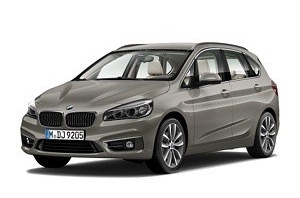
|
BMW | 2 Series | 2 series (F44) | 2020 - 2024 |
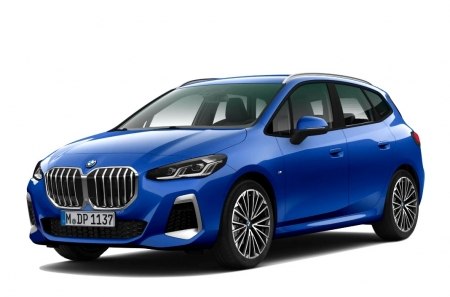
|
BMW | 2 Series | 2 Series Active Tourer II (U06) | 2022 - present |
|
BMW | 3 Series | 3 series (G20, G21) | 2018 - present |
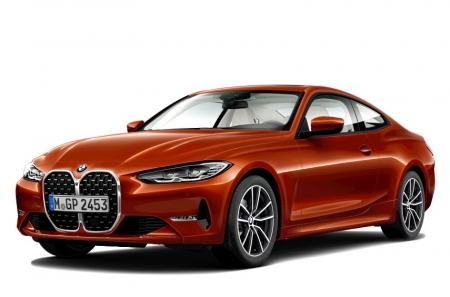
|
BMW | 4 Series | 4 series (G22, G23) | 2020 - present |
|
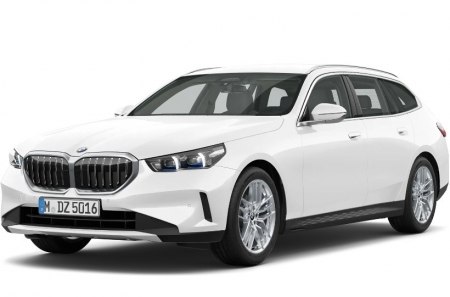
BMW | 5 Series | 5 series (G60, G61, G68) | 2023 - present |
|
No photo
|
BMW | iX2 | iX2 | 2024 - present |
|
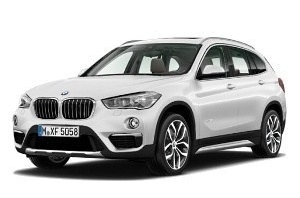
BMW | X1 | X1 II (F48, F49) | 2015 - 2022 |
|
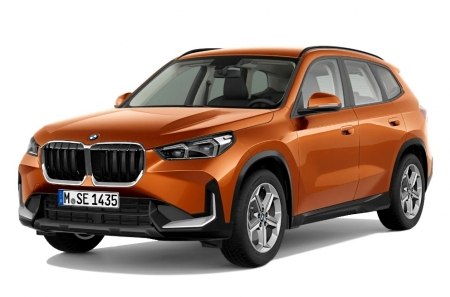
BMW | X1 | X1 III (U11) | 2022 - present |
|
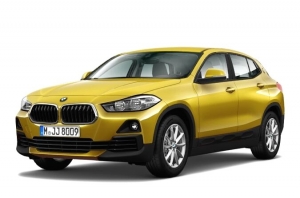
BMW | X2 | X2 (F39) | 2017 - 2023 |
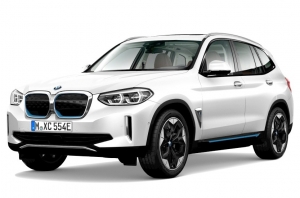
|
BMW | X3 | X3 III (G01) | 2017 - 2024 |
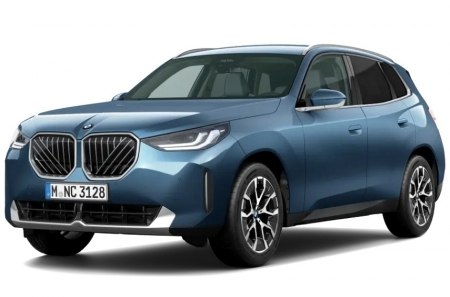
|
BMW | X3 | X3 IV (G45) | 2024 - present |
All modifications (12)
| Vehicle | Generation | Modification | Power | Gearbox | Drive |
|---|---|---|---|---|---|
| BMW 2 Series | 2 series (F44) | 230e 2.0 292 л.с. 6-Автомат 2WD | 292 hp | 6-Автомат | 2WD |
| BMW 2 Series | 2 Series Active Tourer II (U06) | 230e 2.0 B48B20O1 292 л.с. 1-Автомат 4x4 | 292 hp | 1-Автомат | 4x4 |
| BMW 3 Series | 3 series (G20, G21) | BMW 330e 2.0 292 л.с. 7-Автомат 2WD | 292 hp | 7-Автомат | 2WD |
| BMW 4 Series | 4 series (G22, G23) | BMW 430e xDrive 2.0 292 л.с. 8-Автомат 4x4 | 292 hp | 8-Автомат | 4x4 |
| BMW 5 Series | 5 series (G60, G61, G68) | BMW 530e 2.0 292 л.с. 8-Автомат 2WD | 292 hp | 8-Автомат | 2WD |
| BMW iX2 | iX2 | iX2 40e 2.0 PHEV 313 л.с. 7 DCT 4x4 | 313 hp | 7 DCT | 4x4 |
| BMW X1 | X1 II (F48, F49) | xDrive30e 2.0 292 л.с. 8-Автомат 4x4 | 292 hp | 8-Автомат | 4x4 |
| BMW X1 | X1 III (U11) | BMW X1 III 30e 2.0 292 л.с. 7-Автомат 4x4 | 292 hp | 7-Автомат | 4x4 |
| BMW X1 | X1 III (U11) | BMW X1 III 40e 2.0 326 л.с. 7-Автомат 4x4 | 326 hp | 7-Автомат | 4x4 |
| BMW X2 | X2 (F39) | 30e 2.0 292 л.с. 7-Автомат 4x4 | 292 hp | 7-Автомат | 4x4 |
| BMW X3 | X3 III (G01) | BMW X3 xDrive30e 2.0 л. 292 л.с. 8-Автомат 4x4 | 292 hp | 8-Автомат | 4x4 |
| BMW X3 | X3 IV (G45) | BMW X3 IV (G45) xDrive30e 2.0 л 292 л.с. 8-Автомат 4x4 | 292 hp | 8-Автомат | 4x4 |
Interesting Facts
- First BMW engine to feature integrated exhaust manifold
- Won International Engine of the Year award multiple times
Applications
| Vehicle | Generation | Years | Power | Markets |
|---|---|---|---|---|
| BMW 3 Series | G20 | 2018-present | 184hp/258hp | Europe, USA, Asia |
| BMW 5 Series | G30 | 2017-present | 184hp/258hp | Europe, USA |
Compatible transmissions: 6-speed Manual, 8-speed Automatic ZF8HP
Drive types: RWD, AWD
Fuel Economy
| Fuel Type | Petrol 95 |
| Octane Rating | Minimum: 91 | Recommended: 95 |
| Consumption (City) | 8.5 L/100km |
| Consumption (Highway) | 5.5 L/100km |
| Consumption (Combined) | 6.8 L/100km |
| Real Consumption | 7.5 L/100km |
| Fuel Tank Capacity | 60 L |
| Range | 882 km |
| Cost per 100 km | 10-14 USD |
Emissions Standards
| Emission Standard | Euro 6 |
| CO₂ Emissions | 154 g/km |
| Particulate Filter (DPF) | Absent |
| AdBlue | Not Required |
Awards and Recognition
- International Engine of the Year (2016) — 1.8L to 2.0L
Comparison with competitors
| Engine | Brand | Displacement | Power | Torque |
|---|---|---|---|---|
| EA888 Gen 3 | Volkswagen Group | 1,984 cc | 220 hp | 350 Nm |
| M260 | Mercedes-Benz | 1,991 cc | 224 hp | 350 Nm |
Pros
- Efficient fuel consumption
- High tuning potential
- Advanced technology integration
Cons
- Higher maintenance costs
- Complexity of engine components